The evolution of gambling a historical perspective on risk and reward
Origins of Gambling in Ancient Civilizations
The roots of gambling can be traced back to ancient civilizations, where games of chance were intertwined with cultural and religious practices. In ancient Mesopotamia, around 3000 BCE, clay dice have been discovered, suggesting that games involving luck were an integral part of social life. Similarly, ancient Egyptians engaged in betting on outcomes of games and contests, reflecting a society that embraced risk and reward in various forms. These early practices laid the groundwork for the evolution of gambling as a recreational activity, much like what is experienced today at Axe Casino Australia.
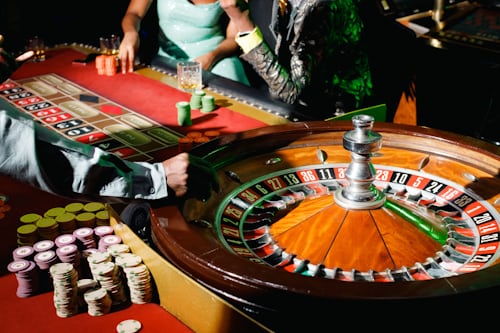
In ancient Rome, gambling flourished as a popular pastime, especially among the elite. The Romans engaged in numerous betting activities, from chariot races to gladiatorial contests. The state even regulated these activities, imposing taxes on winnings. The concept of chance was further explored through various games, establishing the foundation for modern gambling practices. These historical nuances illustrate how gambling transitioned from mere entertainment to an accepted societal norm.
The cultural significance of gambling in ancient societies also involved divine elements. Games of chance were often seen as ways to communicate with the gods or to predict the future. This spiritual connection to risk-taking highlights the dual nature of gambling as both a form of entertainment and a means of seeking divine favor. Understanding these origins provides a critical perspective on the human desire for risk and reward throughout history.
The Middle Ages: Gambling’s Transformation
During the Middle Ages, gambling underwent a significant transformation influenced by socio-political changes. As the feudal system dominated Europe, gaming houses and betting establishments began to emerge, providing structured environments for gambling. This shift marked the transition from informal bets among friends to more organized forms of gambling that catered to a wider audience. The introduction of playing cards in the 14th century further revolutionized gambling, giving rise to new games like poker and blackjack.
The Church’s stance on gambling during this period complicated its evolution. While some clerics condemned gambling as sinful, others recognized its social value. This ambivalence contributed to the growth of clandestine gambling activities, which thrived despite religious opposition. The tension between acceptance and condemnation reveals the complexities surrounding gambling, reflecting societal attitudes toward risk-taking during this time.
By the end of the Middle Ages, gambling had become a fixture in European culture. The rise of commerce and the increasing availability of leisure time allowed for more widespread participation in games of chance. Public lotteries began to emerge as governments sought to raise funds for various projects, illustrating how gambling evolved into a means of generating revenue. This period set the stage for the later establishment of casinos and regulated gaming environments.
The Emergence of Casinos and Modern Gambling
The 18th century marked a pivotal era in the evolution of gambling with the establishment of the first modern casinos. The Casino di Venezia, opened in Italy in 1638, is often cited as the world’s oldest casino. This development signified a shift toward a more formalized gambling experience, with regulations and luxury designed to attract patrons. The allure of glamorous venues transformed gambling into an entertainment spectacle, appealing to the affluent class.
In the 19th century, the rise of the Industrial Revolution brought profound changes to gambling. With urbanization and increased mobility, people flocked to cities where casinos flourished. The introduction of roulette and slot machines in casinos created a new dynamic, emphasizing quick and exciting gameplay. This era saw the birth of the modern gambling industry, characterized by a blend of chance, strategy, and allure that drew in a diverse audience.
The United States played a significant role in the evolution of modern gambling during this period. The establishment of Las Vegas as a gambling haven in the mid-20th century epitomized the marriage of entertainment and risk. With glitzy casinos and high-stakes games, Las Vegas became synonymous with the thrill of gambling, attracting millions of visitors each year. The evolution of gambling into a cultural phenomenon is a testament to its enduring appeal and adaptability over time.
The Digital Revolution and Online Gambling
The advent of the internet in the late 20th century revolutionized the gambling landscape. Online casinos emerged, enabling players to engage in gambling activities from the comfort of their homes. This digital transformation democratized access to gambling, allowing a broader demographic to participate in various games without geographical constraints. The convenience of online platforms appealed to tech-savvy individuals seeking the thrill of gambling at their fingertips.
As online gambling gained popularity, regulations and standards began to evolve. Governments worldwide recognized the need to monitor and regulate online gambling activities to protect consumers and maintain integrity within the industry. Licensing bodies were established, ensuring that online casinos adhere to strict guidelines. This regulatory framework reflects the ongoing struggle to balance the risks associated with gambling with the rewards of a booming digital economy.
Moreover, advancements in technology have led to innovative features in online gambling, such as live dealer games and mobile compatibility. These enhancements have created immersive experiences that mimic the atmosphere of traditional casinos. Gamification elements, including rewards and loyalty programs, have further engaged players, emphasizing the psychological aspects of risk and reward. The evolution of online gambling continues to shape the industry, reflecting changing consumer preferences and technological advancements.

Axe Casino: A Modern Gaming Experience
Axe Casino Australia stands at the forefront of this gambling evolution, offering a premier online gaming platform tailored for Australian players. With an extensive selection of over 3,000 pokies, live dealer games, and sports betting options, Axe Casino provides a diverse and engaging gambling experience. The user-friendly interface, along with seamless gameplay on both desktop and mobile devices, caters to a wide range of preferences, making it accessible to all types of players.
The casino’s commitment to player satisfaction is evident in its generous welcome package of up to A$5,625 and 200 free spins, as well as ongoing promotions that keep the gaming experience fresh and exciting. Additionally, a structured VIP program rewards loyal players, enhancing their engagement with the platform. These offerings not only attract new players but also cultivate a vibrant community of gambling enthusiasts who appreciate the thrill of risk and reward.
With a strong focus on security and reliability, Axe Casino ensures that players enjoy a safe gambling environment. Quick access to games and dedicated customer support contribute to a smooth gaming experience, reinforcing the casino’s reputation in the industry. As gambling continues to evolve, platforms like Axe Casino exemplify how modern technology and innovative strategies can transform traditional practices into contemporary experiences, embracing the timeless allure of risk and reward.